
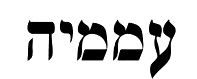
Angel no. 52
'Amamiyah
«Appearances limit the horizon»
'Amamiyah belongs to the Principalities and accompanies the period from 8 to 12 December. The motto «Appearances limit the horizon» describes a demanding task: recognising a prison even when it looks like a normal condition.
Your gift is noticing what limits human dignity. It may be an external power, a relationship that creates dependence or beliefs that restrict freedom. You can look beyond a reassuring justification and expose a constraint others prefer to ignore.
Aleksandr Solzhenitsyn represents the courage to denounce Soviet oppression. Osho, through his talks, evokes the questioning of psychological and religious dependencies. These examples centre on making a restriction visible, even when recognising it is uncomfortable for a setting or a community.
You may reach this interest through study or through difficult personal experiences. Guilt, fear, persistent thoughts, isolation or the anguish of someone close can give you direct knowledge of feeling there is no way out. Understanding what is happening and finding support allow you to distinguish real limits from the possibilities that remain.
A trial may make you more sensitive to someone else's, but freedom can also be learnt without experiencing every form of suffering. You can seek tools before a situation becomes unbearable. When you have known constraint, you can offer listening and guidance without assuming your experience fully explains another person's.
Emily Dickinson evokes the richness of a poetic world developed in a secluded life and largely recognised only after her death. The point of the example is what may remain hidden yet still have much to communicate. John Milton, through Paradise Lost, brings the desire to regain a freer and more dignified condition.
The main obstacle is idealising yourself as a liberator. After suffering, you may feel you possess a mission that justifies any means. You focus on an enemy and lose the ability to check whether they truly are one. While fighting oppression, you may then impose dependence and obedience on others.
Andrey Vyshinsky, prosecutor in Stalin's purges, represents judgement turned into a tool of persecution. This is a stark reminder of responsibility for the means you use. Certainty that you are defending a cause is not enough to make an accusation just or to respect the person before you.
You may recognise other shadows: impulsiveness, sarcasm, suspicion of prestigious people and a need to take space away from those receiving attention. Sometimes these reactions conceal the pain of having been unable to express what you had to say for a long time. Noticing this helps you seek a place for your voice instead of hurting someone who has found one.
Self-criticism and humour are valuable tools. Being able to laugh at your own heroic image keeps you connected to reality. Sharing responsibilities and commitments prevents everything from depending on your ability to endure. Jim Morrison appears in connection with intensity and overload: you can recognise the limit before asking still more of yourself.
If you confuse every bond with a prison, you may idealise a leader or a friend and then betray their trust as soon as you feel closeness. Freedom grows firmer when you can distinguish affection, esteem and control. You can choose relationships with clear boundaries, face disagreement and ask for help without losing independence.
Your direction is to liberate without oppressing. In any activity, from social commitment to professional care, you can bring clarity and courage while remaining willing to examine yourself and leave others a choice.